1. Introduction to Nurse Call Systems
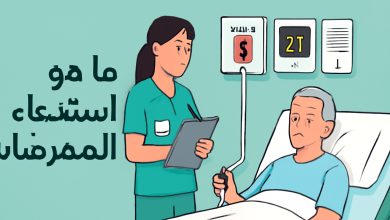
Always open and always needed, nurse call systems (NCSs) have become the backbone of healthcare environments worldwide. They are autonomous signaling systems that allow patients to call with a simple push of a button for assistance to nursing stations or directly to caregivers. All systems are portable, dynamic, and compatible with all nurse call systems. They can be connected directly to compatible devices or panels without plugs or switches (PortFloTM).
Patients can also answer calls with a straightforward cancel button (Some handsets). Most locations receive signals received by the auto dialer, which begins to dial pre-programmed phone numbers listed with a pre-recorded message. What is referred to as the Call for Aid systems as they leave no ambiguity as to what the alarm signal is originating from and are exactly what needs to be explained.
By using nurse call systems (EverythingCallTM) for better patient management, it is compatible with all types of nurse call systems. Our caregiver paging ability significantly enhances patient care by preventing in-room communication, removing background speakers, and providing a more therapeutic and peaceful surroundings for all. Rather than traditional patient data stations, our touch screens digitize the nurse call system. This is where we wanted to go – digitization rather than increased spending.
The station with traditional bed stations can be run with a touch screen, which provides a welcome growth path. With the multifunctionality of industry-standard nurse call systems, this purpose-built touch screen terminal requires no connectivity to the internet activity. Having more than twenty unique features and options, it can be customized to meet your specific requirements. Our nurse call system, already in use, is a significant investment in the future – ICU, wrong-way corridors, OR, nurse call for orphan call, infectious patient isolation, etc.
AWTAD company
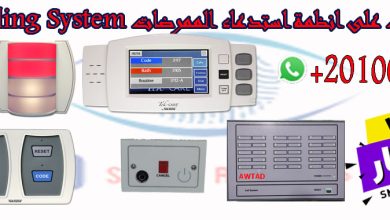
Awtad Hospital Call Systems is considered one of the leading companies in this field. They offer innovative solutions, including wired and wireless call devices and intelligent systems that enhance communication within the hospital. Awtad excels in providing a wide range of nurse call systems that boost work efficiency and the quality of healthcare. Their advanced systems are seamlessly integrated with other medical systems. Additionally, they offer nurse call solutions that rely on modern technology to provide advanced healthcare services, improve patient experience, and increase the efficiency of the medical staff.
2. Technological Advancements in Nurse Call Systems
The rapid technological advancements in nurse call systems have transformed them from in-room, wired systems primarily used to provide safety and peace-of-mind to residents in long-term care settings. More than a decade ago, the migration from wired nurse call systems to campus-wide wireless solutions began. The primary drivers of these system replacements were twofold: the desire for preventative resident monitoring technologies that utilize centralized systems and are easily integrated with electronic health records; and the need for more robust communications to support regulatory requirements and, ultimately, operational efficiency.
These fully-integrated solutions allow healthcare providers to securely communicate and continuously monitor the health and wellness of residents across multiple user interfaces such as bed and bath stations, smartphones, handheld tablet terminals, hallway dome lights, and more. More than just paging call tones overhead, new generation nurse call systems turn to the internet and integrate with other layers of technology, such as resident room comfort and fire alarms, smoke control dampers, access control systems that secure doors, pull station alarms, and facility life safety equipment. More recently,
nurse call systems have been integrated with dedicated wireless WiFi handsets and smartphones. Yachts and personnel have also been deployed at the same hospitals. Hosted solutions, while less prevalent, are gaining favor mainly because they eliminate the risks: 5 powerful servicing and maintenance capabilities of hospitals.
2.1. Wired vs. Wireless Systems
Background Throughout the evolution of healthcare systems over the last 100 or so years, nurse call systems have changed from simple and highly unsophisticated systems to complex and potentially wireless integrated systems that are more widely considered as a communications system consisting of a front-end interface to the building’s control subsystems, such as heating, ventilation, and air conditioning. They may also include infotainment packages such as live TV broadcasting and videotext. However, a current area of confusion and oversight remains between the differing types of systems being used and proposed based on the transmission of signals.
Introduction The question of nurse call systems is often categorized into two main areas – whether the system should be a wired or wireless system installation. The issue with this is that, as proven throughout, these two categories are typically the same in the US market and definitions in that any operation between the primary-demand transmitting component and the secondary receiving or control components falls within the defined area of wireless. This paper will examine
the wireless nurse call systems from an Australian perspective and relate to their usage, benefits, drawbacks, and the future of the technology within Australian aged care/closed hospital institutional systems. By examining the differences, this report may be better understood because, by comparison to conventional systems, this technology is the most appropriate.
2.2. Integration with Electronic Health Records
Integrated healthcare systems have made it possible for a multitude of communication systems to be aligned with electronic health records (EHRs), a move that optimizes efficiency within a hospital department. Because of this, the next major integration for streamlined workflow and technology in healthcare facilities would be that of the nurse call system. English nurse, Barbara Barclay, said that “The nurse’s first job is to support the wish of the patient” and a patient’s intuitive wish is often to feel heard
, seen, and responded to by their care provider. The nurse call system in its most basic (and technological) form, answers the question: What happens when I press my call bearing button? These systems rely on multiple touch points, which, once accessed, are documented per departmental protocol and/or geared towards improving patient care.
Historically, and to date in many hospital departments, a call light system was either audible (requiring attendance by a care provider to discern who needed care), or audibly silent and accompanied by a blinking light which would require a care provider to visually scan the room to discern which patient needed care or attention next. Upon implementation of electronic health care charting systems, nurse call systems were developed to show on a screen which patient required a care provider’s attention, and also, to show which room a care provider was in. Coupling these two touch points not only helped to track patient requests and care provider response times, but also helped automate completion of the time-consuming bed board dispatch.
Currently, the patient call system is fully integrated into the EMR (electronic medical record), displaying exact nurse call button pressed, and the request of the patient. In this way, many facilities have recognized their nurse call system as a “point of care” essential to the capture of accurate patient data. A physical nurse call system “call box” and electronic in-room terminals with a “call nurse” button are traditionally “hard-wired” devices within a room which serve as a primary contact for a patient to request care.
The integration of nurse call systems with electronic health records (EHRs) provides the unique opportunity to document at the point of care, as well as access information at the point of care. Integrating the two systems yields a permanent record of patient requests aiding in root cause analysis of request trends, as well as improvement in recollection post patient care delivery.